Entry · Ref KOPAVKAV
How to Pick a Nicotine Pouch Strength That Suits You
- Posted
- 2026-11-27
- Last amended
- 2026-11-27
- Account
- @thepouchguide
Choosing a nicotine pouch strength is less about finding the biggest number and more about matching the product to what your body is used to. Nicotine pouches come in a range of strengths, and the same labelled strength can feel different depending on pouch size, how long it is kept in place, and your own tolerance. For adults aged 18 and over, a careful approach makes the choice easier to manage.
The aim is to find a level that feels steady and controlled, not one that overwhelms. If you are new to nicotine pouches, or you are moving from another nicotine product, start by looking at strength as a range rather than a single perfect answer. Light nicotine pouches are often the sensible starting point for people who want a milder option, but the right choice still depends on your experience and how nicotine usually affects you.
Start with your current nicotine experience
Before choosing a strength, think about what you already use. Someone who has never used nicotine will have a very different baseline from someone who already uses nicotine daily. Tolerance matters because regular nicotine use can change how strongly a dose is felt. A strength that feels noticeable to one person may feel mild to another.
Be honest about the pattern rather than the label. Occasional use, daily use, and past use that stopped months ago are not the same starting point. If you are returning after a long break, treat yourself as a beginner again. It is better to begin low and adjust than to start too strong and deal with unwanted effects.
If you are comparing products on nicpouch.uk.com, look at how the range is organised by strength and flavour, then use that structure to narrow the choice to a gentle starting point. Flavour can affect the experience, but strength should be the first filter when you are trying to manage nicotine intake.

Read the strength label carefully
Strength information is usually shown as milligrams, either per pouch or per gram. Those two measures are not identical. A product listing milligrams per gram may contain less or more nicotine per pouch depending on pouch size. If two products show different numbers, check what the number refers to before assuming one is stronger.
A strength rating can help with quick comparison, especially when brands use similar labels. Still, ratings are not a perfect guide to how a pouch will feel. Nicotine release varies between products, and moisture, pouch material, and placement can all influence how quickly nicotine is absorbed. Treat the label as a useful starting signal, then use your own response to judge whether the strength suits you.
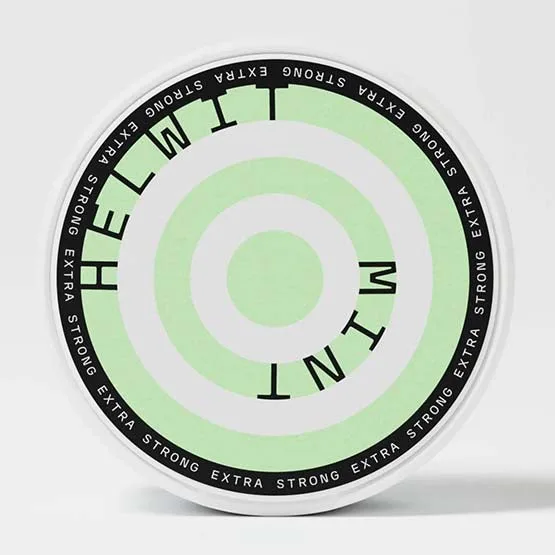
Watch for vague wording such as extra strong or maximum without clear numbers. Descriptive names can be memorable, but they are less precise than a stated nicotine content. Clear figures make it easier to compare similar products and keep your choice consistent.
Match the format to your experience
Pouch size and shape can change the experience. A mini pouch is smaller and may feel less noticeable in the mouth. A slim pouch sits more discreetly, but it may still deliver the same labelled nicotine amount as a larger option. The format does not automatically mean the strength is lower.
For a first attempt, comfort is worth considering. If a pouch feels bulky or irritating, you may be tempted to move it around constantly or remove it early, which makes the experience harder to judge. A format that feels comfortable lets you focus on the strength and whether it suits you.
Flavour also plays a practical role. Mint, fruit, and other profiles can feel sharp or smooth, and that sensation can be mistaken for nicotine strength. If a pouch tastes intense, pause before deciding it is too strong. Separate the flavour sensation from physical effects such as a racing pulse, nausea, dizziness, or a strong head rush.
Choose a sensible starting level
If you are new to nicotine pouches, begin with a mild or low strength. If you have experience with nicotine but not with pouches, a slightly higher starting point may be reasonable, though it is still wise to avoid the strongest options at first. The goal is to notice the effect without overshooting it.
Light nicotine pouches can be useful when you want to understand how pouches feel before making bigger changes. They give a clearer baseline, especially when you are still learning how long you keep a pouch in place and how your body responds. A lower starting level also makes it easier to tell whether any discomfort comes from nicotine or from the pouch format itself.
Do not judge the first pouch as if it must represent every product. One brand may release nicotine faster than another at a similar label strength. If the first experience feels too weak, that does not mean all mild options will feel the same. If it feels too strong, a lower strength or shorter wear time may be more suitable.
Use a measured trial period
Once you have chosen a strength, keep the conditions consistent for a short trial. Use one pouch at a time, follow the product directions, and avoid stacking multiple pouches to chase a stronger effect. Keeping notes on strength, format, flavour, and how long the pouch was used can help you spot patterns without guessing.
During the trial, watch for both positive and negative signs. A suitable strength usually feels manageable and steady. Too much nicotine may cause hiccups, nausea, sweating, dizziness, headache, or a pounding heart. Oral discomfort can also happen, especially if a pouch is left in one spot for too long. If something feels wrong, remove the pouch and reassess.
There is no need to rush the process. Waiting between trials gives you a better chance of judging each strength on its own. If you change flavour, format, and strength all at once, it becomes harder to know what made the difference.
Adjust one thing at a time
If your chosen strength feels too mild, make one change before another. You might move up a strength level while keeping the same flavour and format. If the nicotine effect is fine but the taste is not enjoyable, change the flavour instead. This approach prevents small adjustments from becoming confusing.
If a strength feels too intense, step down rather than trying to offset it with shorter use every time. A lower nicotine content gives a more predictable base. You can then decide whether the pouch feels right in other ways, such as comfort, taste, and how noticeable it is during the day.
Tolerance can also shift over time. A strength that feels suitable now may feel different after regular use. Periodic reassessment helps. Notice whether you are reaching for more pouches, using them more often, or needing a stronger level to get the same effect. Those signs suggest it may be worth stepping back or taking a break.

Keep safety and context in view
Nicotine is addictive, and nicotine pouches are intended for adults who already use nicotine. They are not a harmless novelty. Keep them away from children and pets, and follow the product information supplied with the pouch. If you have a medical condition, are pregnant, or are taking medication, seek advice from a qualified healthcare professional before using nicotine.
Sudden strong effects are a sign to stop and reassess rather than push through. If symptoms are severe or worrying, seek medical advice promptly. A calmer approach protects the experience and makes future choices more reliable.
On nicpouch.uk.com, nicotine pouches are organised by strength and flavour, which can make comparison simpler for adults who know what they are looking for. Use that structure with care. Read the figures, think about your tolerance, choose a moderate starting point, and let a measured trial guide the next choice rather than guesswork.